
Understanding OFAC Sanction Checks: Importance and Compliance
In an increasingly interconnected world, the need for compliance with international regulations has never been more important. One critical aspect of this compliance is the OFAC (Office of Foreign Assets Control) sanctions check. Aimed at preventing transactions with individuals or entities linked to terrorism, narcotics trafficking, and other illicit activities, these checks are essential for businesses operating globally. To get a thorough understanding of how to implement these checks in your organization, visit OFAC sanction check https://americanflyoutfitters.com/pages/ofac-sanction-check-how-it-works.html.
What is OFAC?
The Office of Foreign Assets Control (OFAC) is a part of the U.S. Department of the Treasury, which administers and enforces economic and trade sanctions based on U.S. foreign policy and national security goals. Sanctions can target countries, regimes, individuals, and entities, encompassing a wide range of restrictions from asset freezes to trade prohibitions.
Why Are OFAC Sanction Checks Necessary?
OFAC sanctions checks are essential for several reasons:
- Legal Compliance: Conducting OFAC checks ensures that businesses adhere to U.S. laws, minimizing the risk of penalties or legal action.
- Protection of Reputation: Engaging in transactions with sanctioned individuals or entities can severely harm a company’s reputation.
- Risk Management: Regular checks help in assessing risks associated with international dealings, ensuring that companies do not inadvertently engage in illegal activities.
The OFAC Sanction List
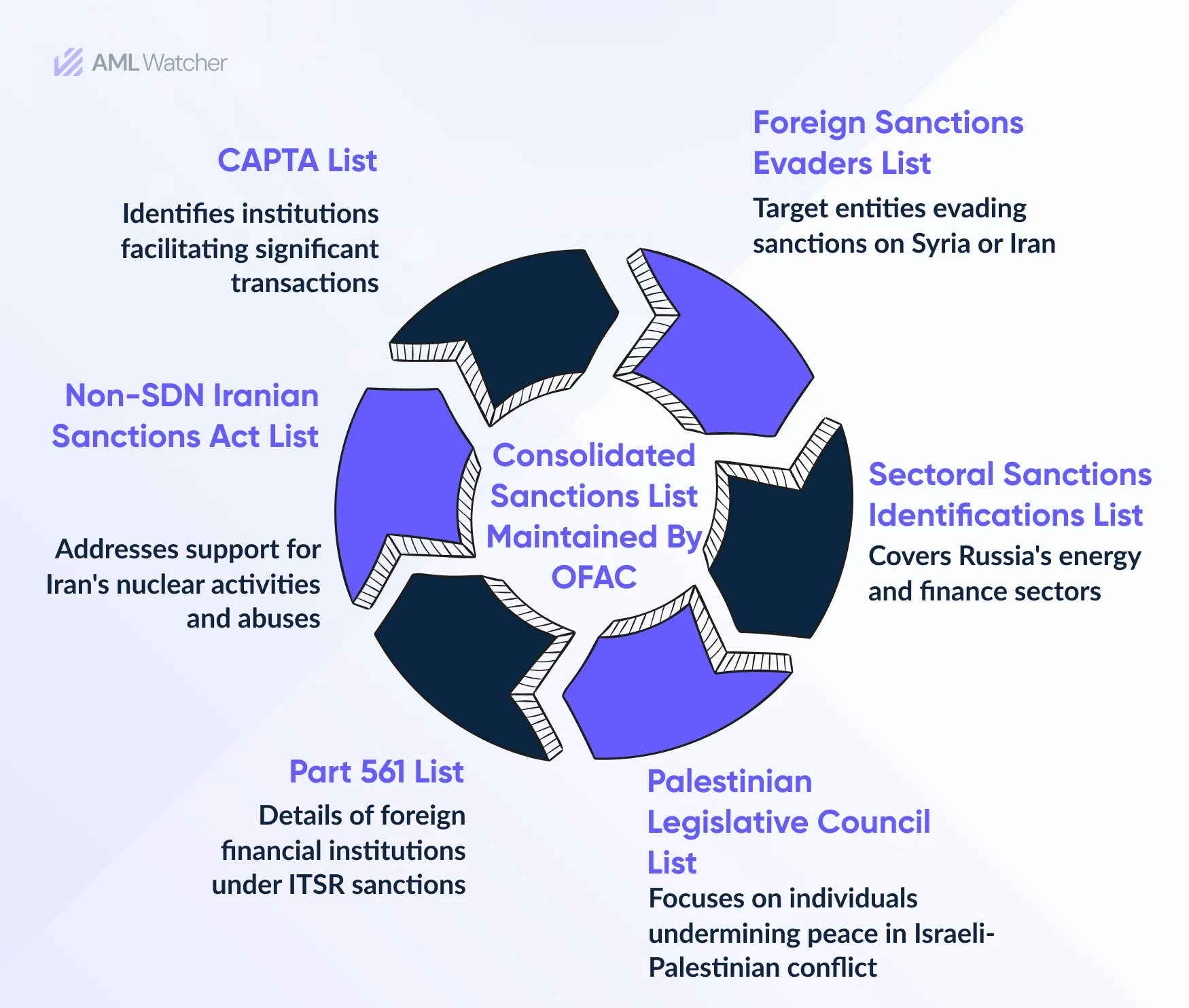
OFAC maintains a list of individuals, entities, and countries that are subject to sanctions. The Specially Designated Nationals and Blocked Persons (SDN) List is a primary resource that businesses must consult. This list is continuously updated, requiring companies to stay informed about any changes.
Types of Sanctions
OFAC imposes various types of sanctions, including:
- Comprehensive Sanctions: These apply to entire countries and prohibit transactions with the government and its affiliated entities.
- Specific Sanctions: Targeted at particular individuals or entities within a country, these sanctions may block assets or prohibit specific transactions.
- Sectoral Sanctions: Focused on particular sectors of a country’s economy, such as finance or energy, these sanctions restrict certain business activities.
How to Conduct an OFAC Sanction Check
Implementing an OFAC sanction check involves several steps:
- Identify Relevant Transactions: Determine which transactions require an OFAC check based on your business operations and regulatory obligations.
- Access the OFAC Lists: Utilize the OFAC SDN List and other relevant lists available on the Department of the Treasury’s website.
- Screen Individuals and Entities: Compare your transaction partners against the OFAC lists to identify any potential matches.
- Document Your Findings: Maintain records of your checks and findings to demonstrate compliance in the event of an audit.
- Take Appropriate Action: If a potential match is found, consult with legal counsel to determine the appropriate next steps.
Challenges of OFAC Sanction Checks
While conducting OFAC sanction checks is vital, businesses often face challenges:
- Frequent Updates: The OFAC list is updated regularly, making it necessary for companies to perform checks consistently.
- False Positives: Common names might lead to false positives, requiring manual review and verification, which can be time-consuming.
- International Transactions: Global businesses must navigate different sanction regimes, complicating compliance efforts.
Best Practices for OFAC Compliance
To ensure effective OFAC compliance, consider implementing these best practices:
- Integrate OFAC checks into your regular business processes and transaction workflows.
- Utilize automated screening tools that can efficiently compare transactions against OFAC lists.
- Train employees on the importance of OFAC compliance and the procedures for conducting checks.
- Develop a compliance program that includes designated personnel responsible for monitoring and reporting OFAC-related issues.
- Regularly review and update your compliance procedures to reflect any changes in regulations or business operations.
Conclusion
In conclusion, OFAC sanction checks are a crucial element of risk management and regulatory compliance for businesses engaged in international trade. By understanding the importance of these checks and implementing robust procedures, companies can protect themselves against legal repercussions and safeguard their reputations in the global marketplace. Staying informed about OFAC regulations and adapting to changes will enable businesses to remain compliant in an ever-evolving landscape.