
Exploring how cultural differences shape casino experiences around the world
Cultural Perspectives on Gambling
Cultural attitudes toward gambling vary widely around the world, influencing not just the legality of casinos but also the way people engage with them. In some cultures, gambling is viewed as a social activity, where groups gather to enjoy games and camaraderie. For instance, in many Asian cultures, particularly in countries like China, gambling is often associated with celebrations and family gatherings, significantly enhancing the communal experience. This contrasts starkly with places like the United States, where you can find premier league betting sites emphasizing personal luck and achievement.
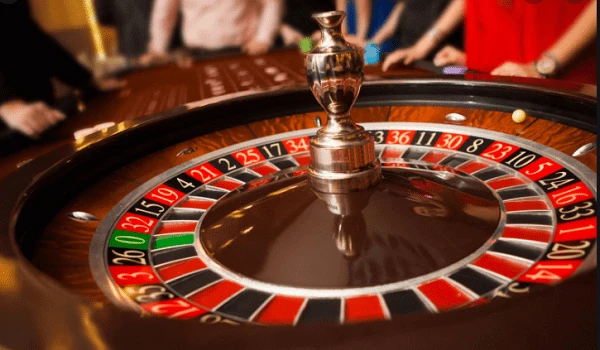
The perception of risk also differs across cultures. In some societies, gambling is seen as a dangerous vice, leading to social stigma. This negative view can deter people from participating in casino activities, affecting the overall environment of local gambling establishments. Conversely, in cultures where gambling is integrated into social customs, such as during festivals or public holidays, it can create a more vibrant and welcoming atmosphere in casinos. Such cultural nuances shape not only participation but the overall experience of casino patrons.
Moreover, traditions and customs influence the types of games popular in various regions. For instance, European countries like Italy may favor games like Baccarat or Poker, while other areas like Australia might emphasize Poker Machines. These preferences reflect local customs and social structures, which in turn shape the design and operation of casinos, creating uniquely tailored experiences that resonate with local cultures.
The Role of Language and Communication
Language plays a critical role in shaping the casino experience, impacting everything from signage to customer service. In multicultural environments, such as Las Vegas, casinos often employ multilingual staff and provide services in various languages to cater to an international clientele. This practice not only enhances the guest experience but also fosters a sense of inclusivity. Patrons are more likely to engage with the games and activities when they can communicate comfortably, resulting in a more positive overall experience.
The nuances of communication also extend to non-verbal cues. In some cultures, gestures and body language can convey messages that are crucial to understanding the social dynamics within casinos. For example, in certain Asian cultures, avoiding direct eye contact can signify respect, while in Western cultures, maintaining eye contact may demonstrate confidence. These subtle differences can influence how players interact at the table and their willingness to participate in games, impacting the casino atmosphere as a whole.
Furthermore, the marketing strategies employed by casinos often reflect linguistic and cultural considerations. Advertisements may use humor, imagery, or narratives that resonate with specific audiences. By aligning marketing strategies with cultural sensibilities, casinos can create targeted campaigns that attract diverse clientele. This tailoring of communication not only enhances the appeal of gaming experiences but also builds lasting relationships with patrons.
Legal Frameworks and Regulations
Legal restrictions surrounding gambling can shape the casino experience significantly. In many countries, strict regulations dictate the types of games that can be offered and the manner in which they are operated. For instance, while some nations may embrace the casino industry as a major source of tourism and revenue, others impose stringent limitations that can hinder the development of a vibrant gambling scene. Such legal frameworks directly influence the variety of games available and the overall ambiance within casinos.
In regions where gambling is heavily regulated, such as in parts of Europe, casinos may focus on high-end experiences with luxurious amenities, catering to a wealthy clientele. This contrasts with areas where gambling is more lenient, creating a diverse range of establishments from high-stakes resorts to casual gaming venues. These differences impact not only the types of patrons drawn to casinos but also the kind of experience they seek, influencing everything from gaming options to the overall design of the casino environment.
The consequences of these legal frameworks extend to responsible gaming initiatives as well. In jurisdictions with comprehensive gambling regulations, casinos often have programs in place to promote responsible gaming and minimize addiction risks. Such measures can enhance the casino experience by fostering a safe environment for patrons, ensuring that gambling remains an entertaining and enjoyable activity rather than a source of distress.
Casino Design and Architecture
The design and architecture of casinos reflect cultural values and aesthetics, shaping the overall experience for visitors. For example, casinos in Las Vegas are often designed to be extravagant and immersive, mirroring the city’s ethos of excess and entertainment. The use of bright lights, elaborate themes, and luxurious materials creates an environment that stimulates excitement and attracts tourists. In contrast, casinos in countries like Monaco embody elegance and sophistication, reflecting a more understated approach to luxury that appeals to affluent clientele.
Cultural symbolism also plays a vital role in casino design. In many Asian casinos, elements such as Feng Shui are incorporated to create a harmonious environment. Layouts may be designed to guide patrons through the space in a way that aligns with cultural beliefs, promoting fortune and success. These considerations not only enhance the aesthetic appeal but also create a more culturally resonant experience for players, encouraging them to return.
The integration of technology in casino design is another area influenced by cultural trends. In regions where technological advancements are embraced, casinos may feature state-of-the-art gaming systems and interactive experiences. In contrast, more traditional societies may prefer classic games and environments, favoring nostalgia over innovation. The balance between modernity and tradition shapes the overall casino experience, catering to varying expectations and preferences from different cultural backgrounds.

Your Ultimate Guide to Casino Experiences
Understanding how cultural differences shape casino experiences around the world is essential for anyone looking to navigate this diverse landscape. Our website serves as a comprehensive resource for discovering how various factors influence gambling practices across different cultures. From in-depth analyses of legal frameworks to insights into architectural designs, we cover it all. By exploring these nuances, you can gain a greater appreciation for the global gambling scene.
Whether you are a seasoned gambler or a curious newcomer, our platform offers valuable information tailored to your needs. We strive to empower users with the knowledge necessary to engage with casinos in a culturally aware manner. By fostering understanding and respect for diverse gambling traditions, we aim to enhance your overall experience, ensuring that every visit to a casino is not only enjoyable but also culturally enriching.
Join us as we explore the fascinating intersections of culture and gambling, providing you with the tools to make informed decisions and immerse yourself fully in the rich tapestry of casino experiences worldwide. With our expert insights, you can navigate the complex world of gambling with confidence and awareness, making each experience uniquely rewarding.