
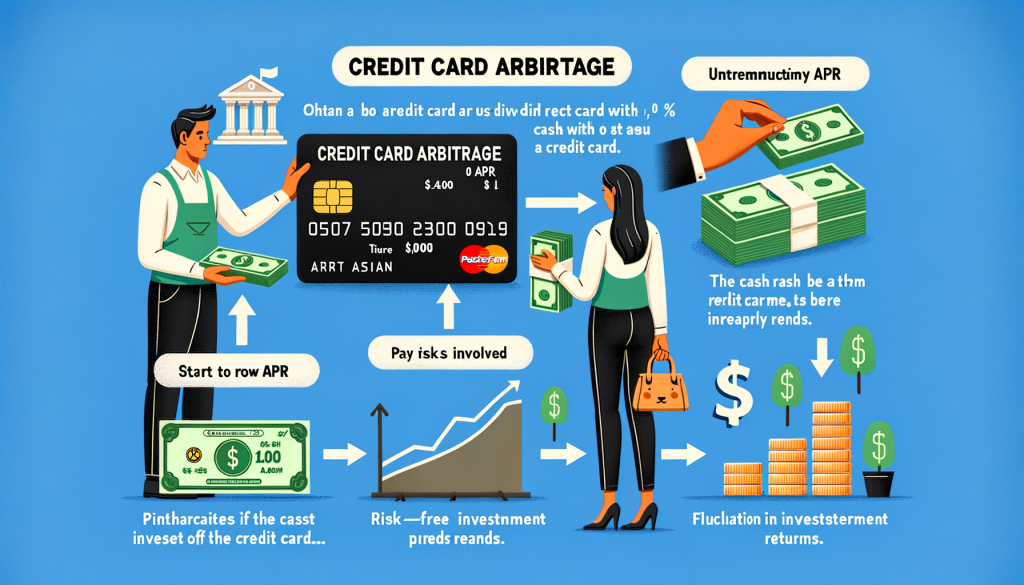
The Essentials of Selling Cards for Arbitrage: A Comprehensive Guide
Arbitrage, the practice of taking advantage of price differences in different markets, has become an increasingly popular strategy among traders and investors alike. In recent years, this concept has extended beyond traditional financial markets into various fields, including the selling of cards. This article aims to explore the intricacies of selling cards for arbitrage, discussing the strategies, benefits, risks, and legal implications involved.
What is Arbitrage?
Arbitrage is defined as the simultaneous purchase and sale of an asset in order to profit from a difference in the price. This can occur in various markets, such as financial instruments, collectibles, and yes, trading cards. By capitalizing on price discrepancies, traders can maximize their potential profits.
The Rise of Trading Card Arbitrage
Over the past few years, trading cards have surged in popularity as collectibles and investment vehicles. High-profile sales at auctions and an increased interest fueled by social media have contributed to this trend. This newfound fascination with trading cards has led many to explore the arbitrage opportunities these cards present.
Understanding the Market
Before venturing into the world of card arbitrage, it’s essential to understand the market dynamics. There are three primary factors that influence card pricing:
- Rarity: Limited edition cards often fetch higher prices due to scarcity.
- Condition: The quality and condition of a card significantly influence its value; graded cards typically have a higher market price.
- Trends: Market trends driven by player performance, nostalgia, or popularity can affect demand and consequently prices.
Strategies for Selling Cards for Arbitrage
When it comes to successfully engaging in card arbitrage, a few strategies can be employed:
1. Buy Low, Sell High
The fundamental principle of arbitrage is to purchase cards at a lower price from one marketplace and sell them at a higher price in another. Engaging in thorough research is crucial to identify undervalued cards in local shops, online marketplaces, or trading events.
2. Monitor Market Trends
Keeping an eye on industry news, social media trends, and player performance can provide valuable insights into which cards are likely to increase in value. Websites, forums, and online communities dedicated to card trading can be excellent resources for this information.

3. Utilize Grading Services
Consider submitting cards to professional grading services to enhance their value. Graded cards typically sell for significantly more than ungraded cards, making this an essential step in maximizing profits from card arbitrage.
4. Utilize Online Marketplaces
Online platforms like eBay, TCGPlayer, or specialized trading websites can serve as effective channels for buying and selling cards. Establishing an account on multiple platforms can help you access a larger audience, allowing for swift sales and competitive pricing.
The Benefits of Selling Cards for Arbitrage
Engaging in card arbitrage can offer several benefits, including:
- Potential for High Returns: With the right knowledge and strategy, investors can achieve significant profit margins.
- Flexibility: Unlike other forms of investment, card trading can be pursued on your own schedule, allowing greater flexibility.
- Community Engagement: The trading card community is vibrant and interactive, offering opportunities for networking and shared insights.
Risks Involved
Despite the opportunities, card arbitrage also presents inherent risks, including:
- Market Volatility: The trading card market can be unpredictable, with prices fluctuating based on trends and external factors.
- Investment Uncertainty: Not every card will appreciate in value; some may become worthless over time if the trend shifts.
- Legal and Regulatory Risks: As with all investments, understanding the legal context in which you operate is essential.
Legal Considerati

ons
Before diving into card arbitrage, it’s essential to understand that different jurisdictions may have various laws governing the sale of collectibles. Here are some legal considerations:
- Tax Implications: Profits earned from selling cards may be subject to capital gains tax, depending on your local laws. It is imperative to keep accurate records of all sales and purchases for tax purposes.
- Consumer Protection Laws: Familiarize yourself with laws that govern the sale of goods, especially online. Adhering to these regulations is key to ensuring a legitimate trading experience.
- Intellectual Property Rights: Be aware of copyright and trademark laws when selling card replicas or merchandise that may infringe upon the rights of creators or owners.
Conclusion
Selling cards for arbitrage presents an exciting opportunity for collectors and investors. However, it requires thorough research, strategic planning, and an understanding of the associated risks and legal implications. By leveraging market opportunities and staying informed, traders can navigate the card market effectively, making the most of this innovative investment avenue.
For more information on the legal aspects of selling cards for arbitrage, you can check the following source: Selling Cards for Arbitrage: What the Law Says https://crazyfb.shop/en/page/prodazha-kart-dlya-arbitrazha-chto-budet-po-zakonu