
Understanding Interpol Yellow Notices: A Guide to Missing Persons Alerts
Interpol Yellow Notices are crucial tools used by law enforcement agencies around the globe to help locate missing persons, particularly minors. This article delves into the specifics of information on Interpol yellow notices, explaining how they work, who can issue them, and their impact on international cooperation in the fight against abduction and missing persons cases.
What is an Interpol Yellow Notice?
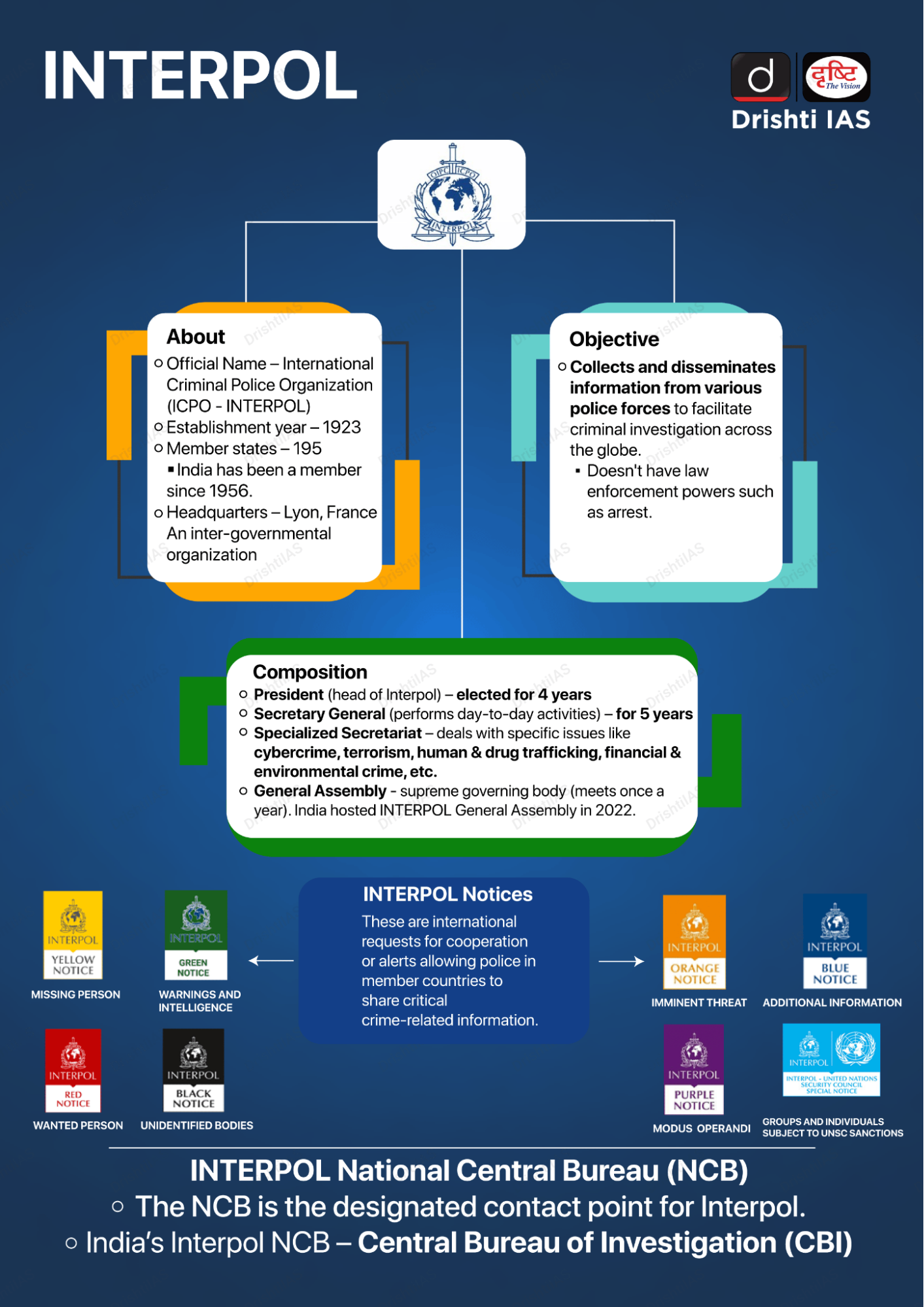
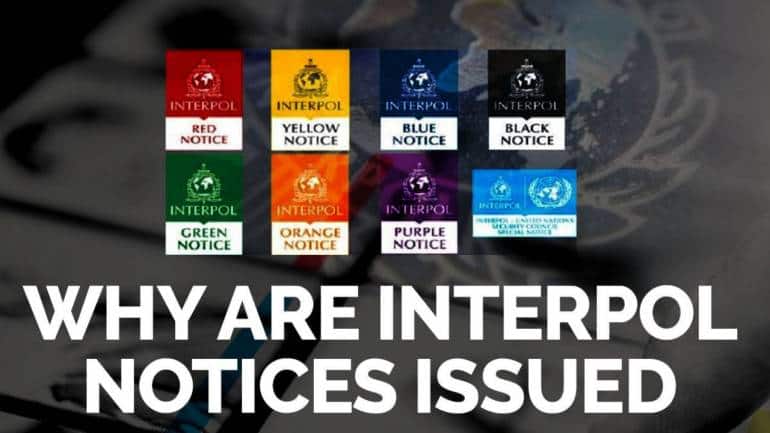
An Interpol Yellow Notice serves as a request to locate a missing person, often a minor, or to help identify a person who is unable to identify themselves. These notices are disseminated globally through the Interpol network, which enhances international cooperation among police agencies. Yellow Notices are not arrest warrants; rather, they are alerts that facilitate the search for and identification of individuals.
Purpose of Yellow Notices
The primary goal of Yellow Notices is to help recover missing children and adults who may be vulnerable or unable to identify themselves. These notices provide law enforcement with critical information about the individuals, such as their physical descriptions, photographs, and relevant circumstances surrounding their disappearance. They can also play a vital role in preventing abductions and trafficking, as they raise public awareness and encourage vigilance.
Who Can Issue a Yellow Notice?
Yellow Notices can be requested by national law enforcement agencies. If a missing person report involves a child’s disappearance, parents, guardians, or legal representatives can also aid in the issuance process. The notice is typically issued in response to a formal request and must be backed by substantial evidence confirming the individual is missing.
How Are Yellow Notices Distributed?
Once a Yellow Notice is issued, Interpol distributes it to its member countries. Each member country has a National Central Bureau (NCB) that acts as a liaison between Interpol and national law enforcement agencies. Information from Yellow Notices can also be shared with the general public through various media channels if required, to increase the chances of locating the missing person.
Success Stories
Throughout its history, Interpol has facilitated numerous successful recoveries of missing persons through the issuance of Yellow Notices. For instance, in cases of international abduction, quick dissemination of information can significantly enhance the chances of a safe return. Various success stories highlight the collaborative efforts of police forces across borders, showcasing how Yellow Notices contribute to real-world outcomes.
The Legal Framework
The issuance and handling of Yellow Notices fall under specific legal frameworks, including international treaties and national laws. Countries adhere to guidelines established by Interpol to ensure that notices are used correctly and ethically. The information contained within a Yellow Notice must be accurate and updated regularly to maintain its effectiveness.
Challenges and Limitations
While Yellow Notices are effective tools, they also face challenges. Delays in the issuance of Notices can often impede swift action. Additionally, the information must be coordinated carefully among different countries’ legal systems, which can vary significantly. Misinformation or lack of representation in certain regions can lead to difficulties in the recovery process.
Conclusion
Interpol Yellow Notices are essential instruments in the quest to locate and reunite missing persons with their families. They represent a profound commitment to child safety and individuals in vulnerable situations. By enhancing international collaboration among law enforcement agencies, these notices serve not only as alerts but also as symbols of hope for countless families awaiting information on their loved ones.
In closing, understanding the function and significance of Interpol Yellow Notices can empower communities, encourage vigilance, and foster a proactive approach to preventing disappearances. Education around this subject can bolster efforts to protect our vulnerable populations and support ongoing initiatives that prioritize the safety and well-being of those at risk.