
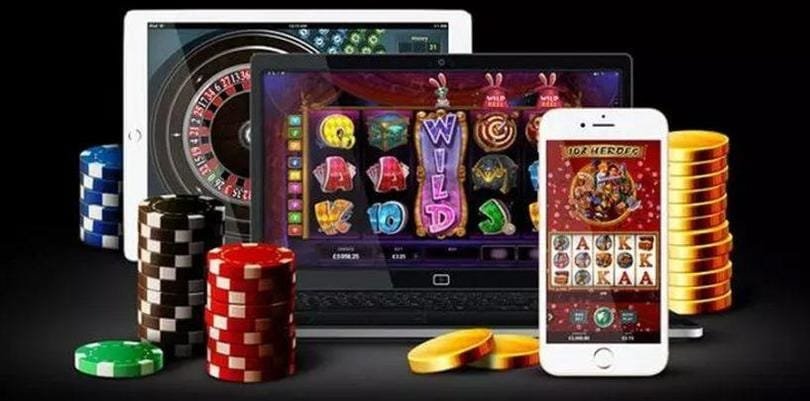
Decentralized Gambling Explained
In recent years, the gambling industry has witnessed a paradigm shift with the emergence of decentralized gambling platforms. These platforms leverage blockchain technology to create a transparent, secure, and fair environment for users. The advantages of decentralized gambling include reduced house edges, enhanced privacy, and user control over funds.
Many users are turning to decentralized solutions to avoid traditional regulatory constraints and enjoy a more accessible gaming experience. For those interested, you might want to check out the Decentralized Gambling Explained ramenbet apk for an exciting decentralized gaming option.
What is Decentralized Gambling?
Decentralized gambling refers to gaming platforms that operate on blockchain technology rather than through centralized servers. In traditional gambling, a central authority, such as a casino or gambling site, manages games and transactions. In contrast, decentralized platforms allow users to interact directly with each other through smart contracts, removing intermediaries and enhancing trust. This system ensures that players can verify the fairness of games and outcomes while retaining complete control over their funds and data.
How Does It Work?

At the core of decentralized gambling is blockchain technology. Smart contracts—self-executing contracts where the terms of agreement between buyer and seller are directly written into lines of code—automate the gambling process. Here’s a breakdown of how it typically works:
- User Registration: Players typically need to create a digital wallet to interact with the platform. This wallet serves as their identity and fund storage.
- Placing Bets: Users can place bets using cryptocurrency. The transactions are recorded on the blockchain, ensuring transparency and security.
- Smart Contracts: The rules of the game are coded into smart contracts that execute automatically based on predefined conditions. This means that outcomes are decided by algorithms, removing the possibility of manipulation.
- Payouts: Winnings are automatically distributed via the smart contract without the need for intermediaries, ensuring instant payout and minimizing transaction fees.
Benefits of Decentralized Gambling
The rise of decentralized gambling is driven by several key benefits, making it an attractive alternative to traditional gaming experiences. Some of the most notable advantages include:
- Transparency: All transactions and outcomes are recorded on the blockchain, allowing anyone to verify and audit results at any time.
- Reduced House Edge: Because there are no significant operational costs for decentralized platforms, they often offer lower house edges compared to traditional casinos.
- Anonymity: Decentralized platforms typically do not require players to provide personal information, allowing for a higher level of privacy.
- Accessibility: Anyone with an internet connection can access decentralized gambling platforms, often engaging with players from around the world without restrictions from local laws.
- Ownership of Funds: Players maintain complete control over their assets, reducing the risks of losing money to bankrupt companies or fraudulent platforms.
Challenges and Considerations
Despite the numerous benefits, there are also several challenges and concerns associated with decentralized gambling that must be addressed:

- Regulation: The decentralized nature of these platforms can lead to regulatory challenges, as various jurisdictions may have conflicting laws regarding online gambling.
- Security Risks: While blockchain technology is generally secure, vulnerabilities in smart contracts or user wallets can pose risks of loss.
- Market Volatility: Since many decentralized gambling platforms operate with cryptocurrencies, fluctuations in currency value can impact betting and payouts.
- Limited Mainstream Adoption: While awareness is growing, many players are still unfamiliar with blockchain technology and its applications in gambling.
The Future of Decentralized Gambling
The future of decentralized gambling looks promising as technological advancements continue to evolve. Innovations such as enhanced user interfaces, improved transaction speeds, and more comprehensive regulatory frameworks can help mitigate some of the challenges currently faced by the industry. Moreover, partnerships between decentralized platforms and traditional gaming entities may foster greater acceptance and usability.
As the landscape of online gambling shifts, it is essential for both players and developers to remain informed about the developments in this space. Continued education and community engagement will play key roles in shaping the future of decentralized gambling.
Conclusion
Decentralized gambling represents a significant evolution in the gaming industry. By harnessing the power of blockchain technology, these platforms deliver a gaming experience that is more transparent, fair, and user-centric. While there are still hurdles to overcome, the potential for decentralized gambling to reshape how we engage with games of chance is undeniable. As more players discover the benefits of this new frontier, it is likely that we will see a surge in popularity, opening doors to a new era of gambling that prioritizes the player’s experience and security.